little leaves






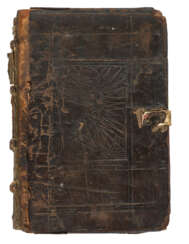

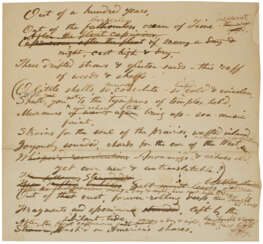

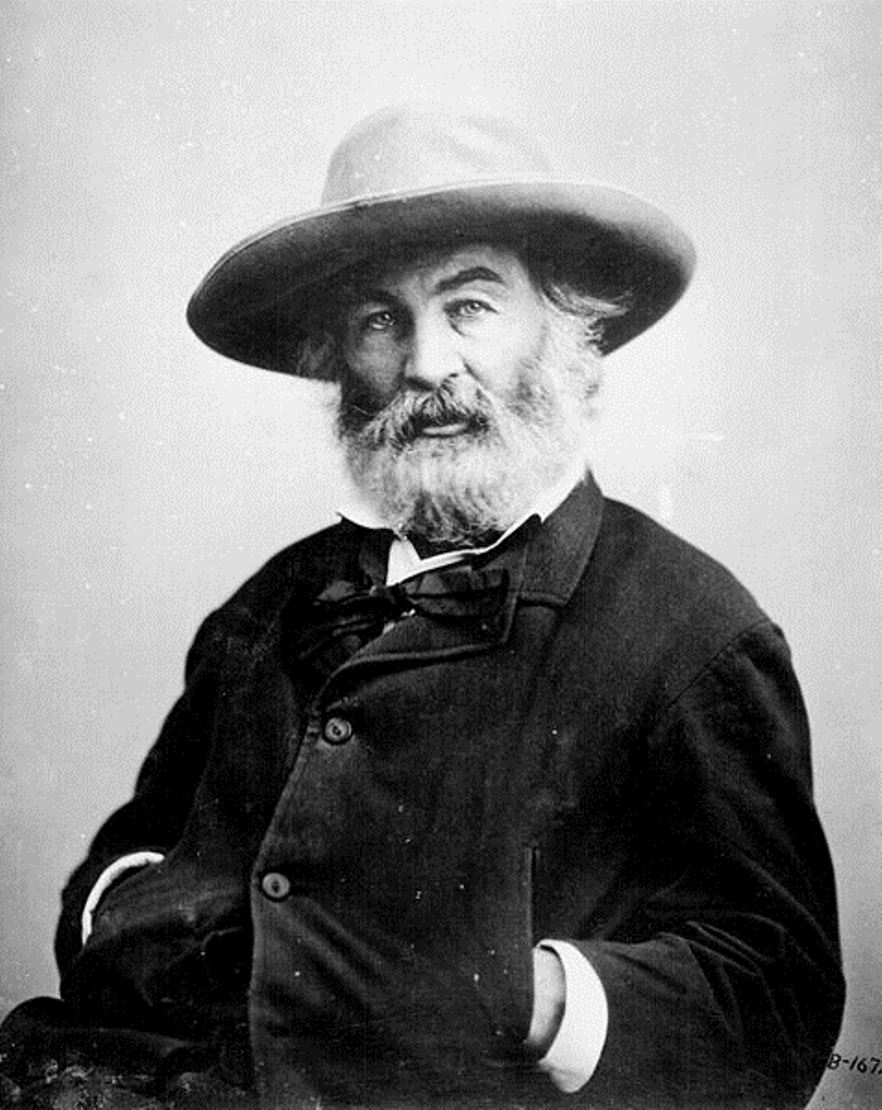
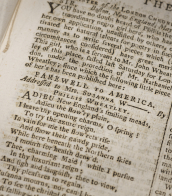
Walt Whitman was an American poet and essayist.
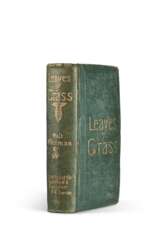
For some time in his youth Whitman worked as a journalist and even published his own newspaper, where he raised issues of slavery. In 1855, he self-published a collection of his poems, Leaves of Grass. This book is now a milestone in American literature, although at the time of publication it was considered highly controversial. In the early 1860s, Whitman volunteered in hospitals for the Civil War, resulting in a collection of new poems.
During his lifetime, his first collection, Leaves of Grass, underwent many editions and grew to 300 poems. It was only towards the end of his life that Whitman found fame as the first national poet of the United States. Whitman was translated into Russian by K. Balmont, I. Kashkin, and K. Chukovsky.



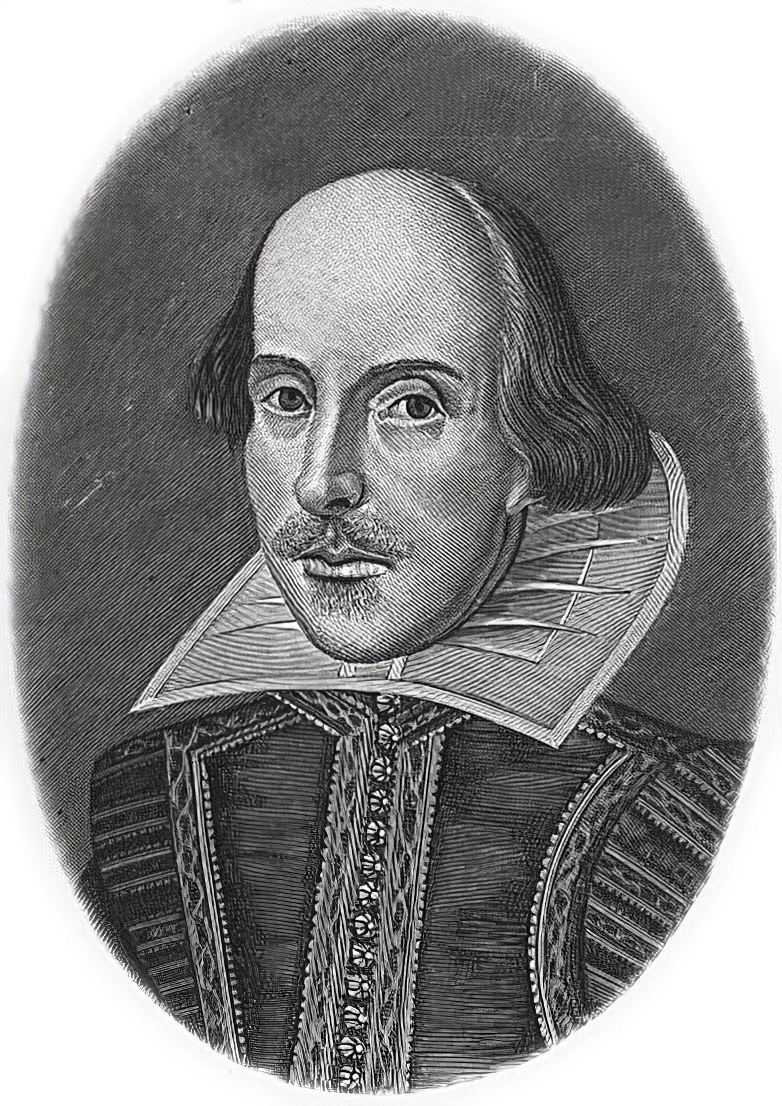
William Shakespeare was a British poet and playwright and writer.
William's father, John Shakespeare, was a merchant and official in Stratford. There are reports that he was a sailor for a time before joining a theater company in London. Beginning in the 1590s, Shakespeare began writing plays, and in 1593 he published a poem, Venus and Adonis, which became popular. He dedicated it to the Duke of Southampton, who was a philanthropist and patron of talent, and soon his business was booming.
From 1592 to 1600 Shakespeare wrote his dramas and romantic comedies "Richard III", "The Taming of the Shrew", "Romeo and Juliet", "A Midsummer Night's Dream" and "The Merchant of Venice", as well as the comedies "Much Ado About Nothing", "Twelfth Night" and the tragedy "Julius Caesar". The playwright's business was so successful that he even bought a large house in Stratford. In 1599, Shakespeare became one of the owners, playwright and actor of the new theater "Globe". In 1603 King James took Shakespeare's troupe under his direct patronage. In the mature period, the great playwright turned to tragedies, there were "Hamlet", "Othello", "King Lear", "Macbeth" and others.
Although in the 19th century researchers had some doubts about the authorship of many of these works, William Shakespeare is considered the greatest English playwright, one of the best playwrights in the world. His plays have been translated into all major languages and to this day form the basis of the world theatrical repertoire, most of them have been screened many times. According to the Guinness Book of Records, Shakespeare remains the world's best-selling playwright, and his plays and poems have sold more than 4 billion copies in the nearly 400 years since his death.



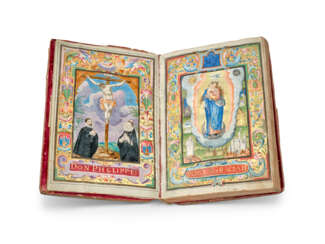

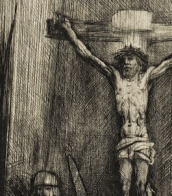
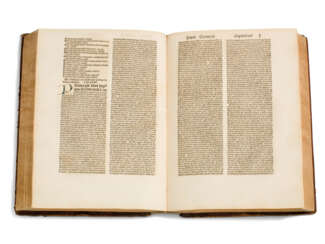

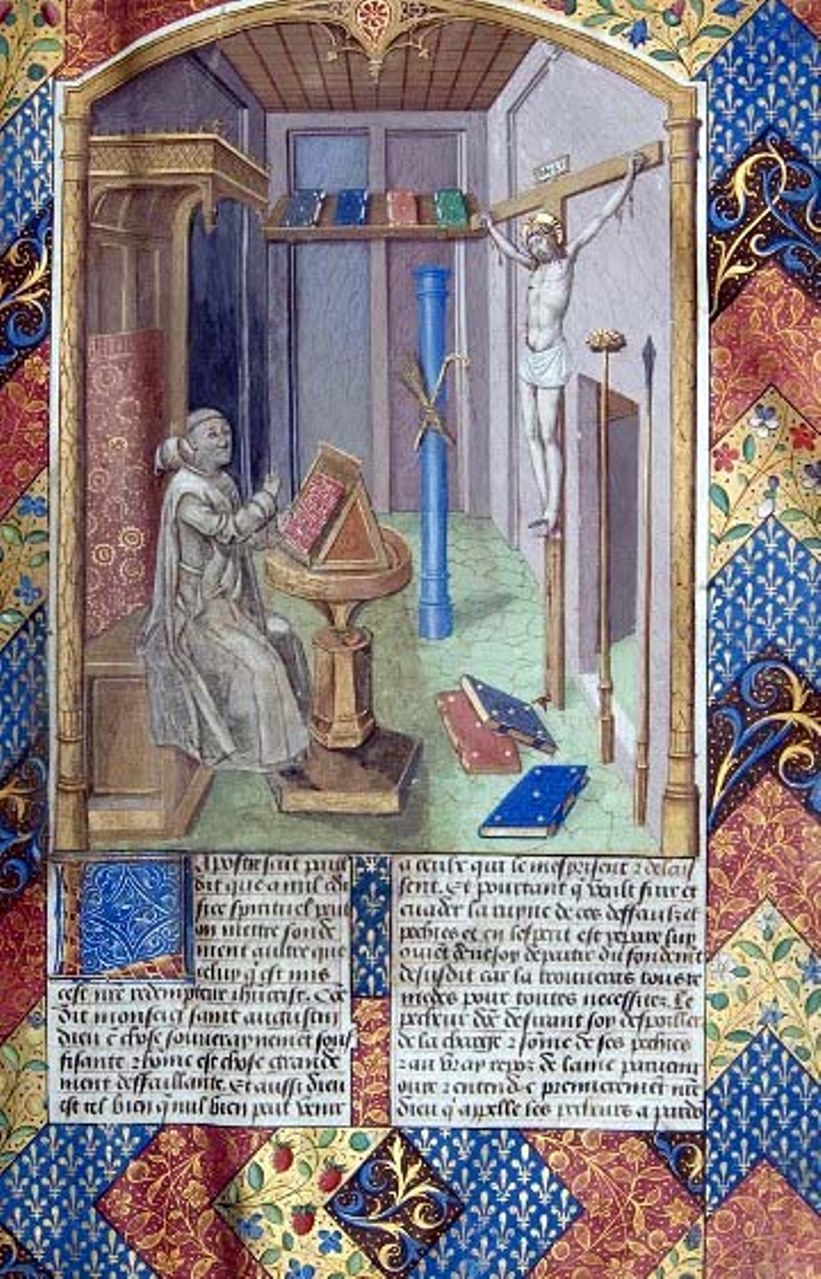
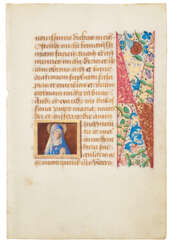
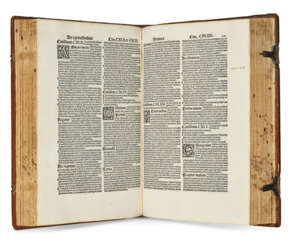
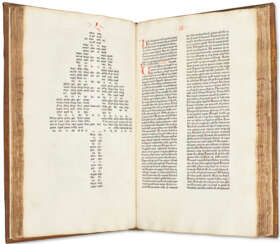
Ludolf of Saxony (German: Ludolf von Sachsen), also known as Ludolf der Kartäuser, was a Roman Catholic theologian and Christian writer of German origin.
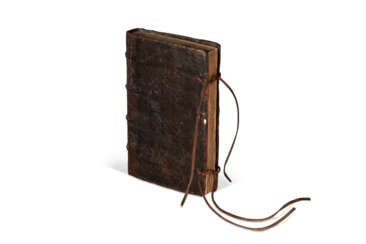
The major work of his life was Vita Christi (Life of Christ), also known as Speculum vitae Christi (Mirror of the Life of Christ), completed in 1374. The book is not only a biography of Jesus, but also a history, commentaries by church fathers, and a series of dogmatic and moral reflections, spiritual teachings, meditations, and prayers. This work was very popular in the fourteenth and fifteenth centuries and was first printed in the 1470s.




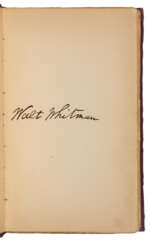

Walt Whitman was an American poet and essayist.
For some time in his youth Whitman worked as a journalist and even published his own newspaper, where he raised issues of slavery. In 1855, he self-published a collection of his poems, Leaves of Grass. This book is now a milestone in American literature, although at the time of publication it was considered highly controversial. In the early 1860s, Whitman volunteered in hospitals for the Civil War, resulting in a collection of new poems.
During his lifetime, his first collection, Leaves of Grass, underwent many editions and grew to 300 poems. It was only towards the end of his life that Whitman found fame as the first national poet of the United States. Whitman was translated into Russian by K. Balmont, I. Kashkin, and K. Chukovsky.
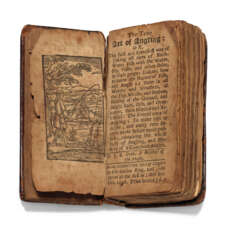



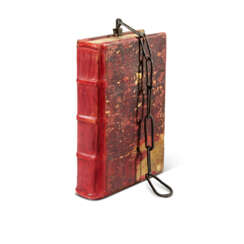


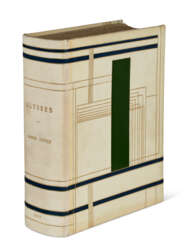

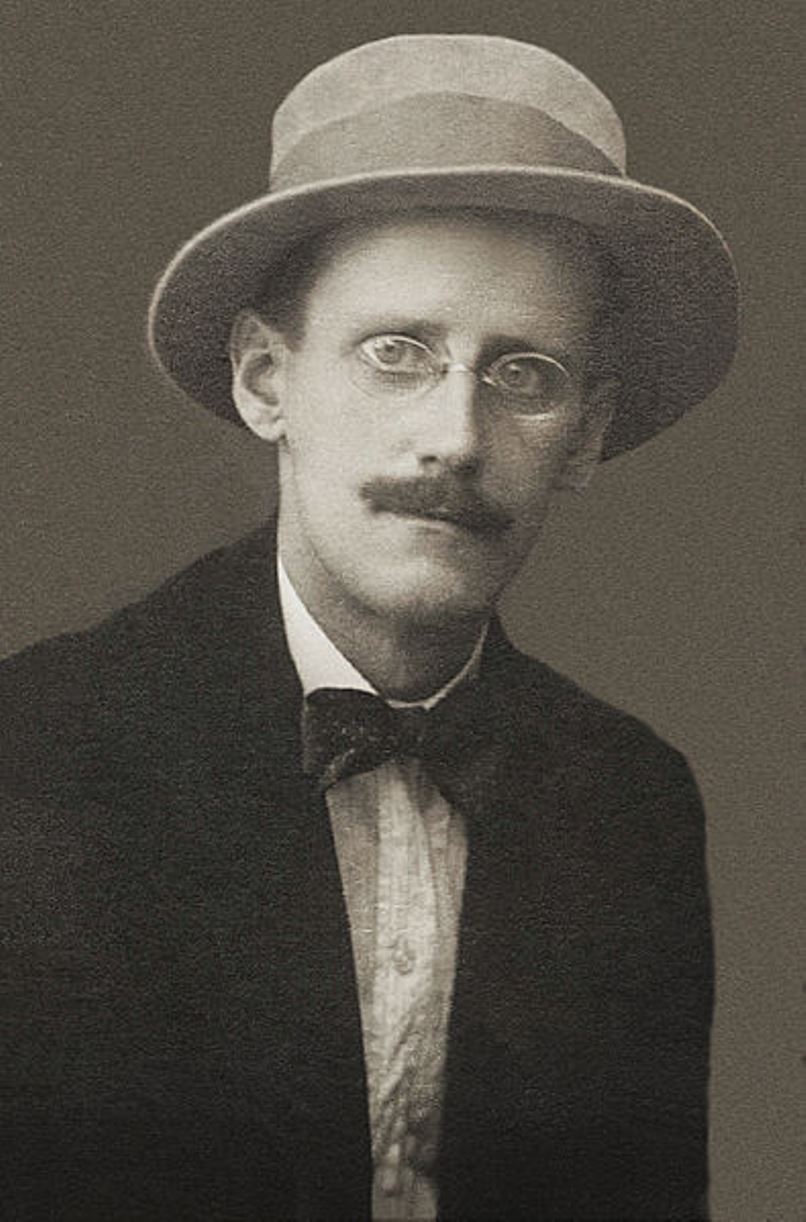
James Augustine Aloysius Joyce was an Irish writer and poet, journalist and literary critic.
Joyce is a representative of the modernist avant-garde movement and is considered one of the most influential writers of the 20th century. Joyce's best known works are the novels Ulysses (1922) and A Portrait of the Artist as a Young Man, and the short story collection The Dubliners.







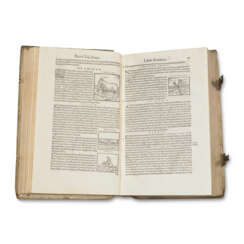

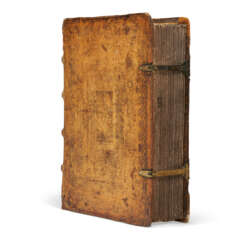




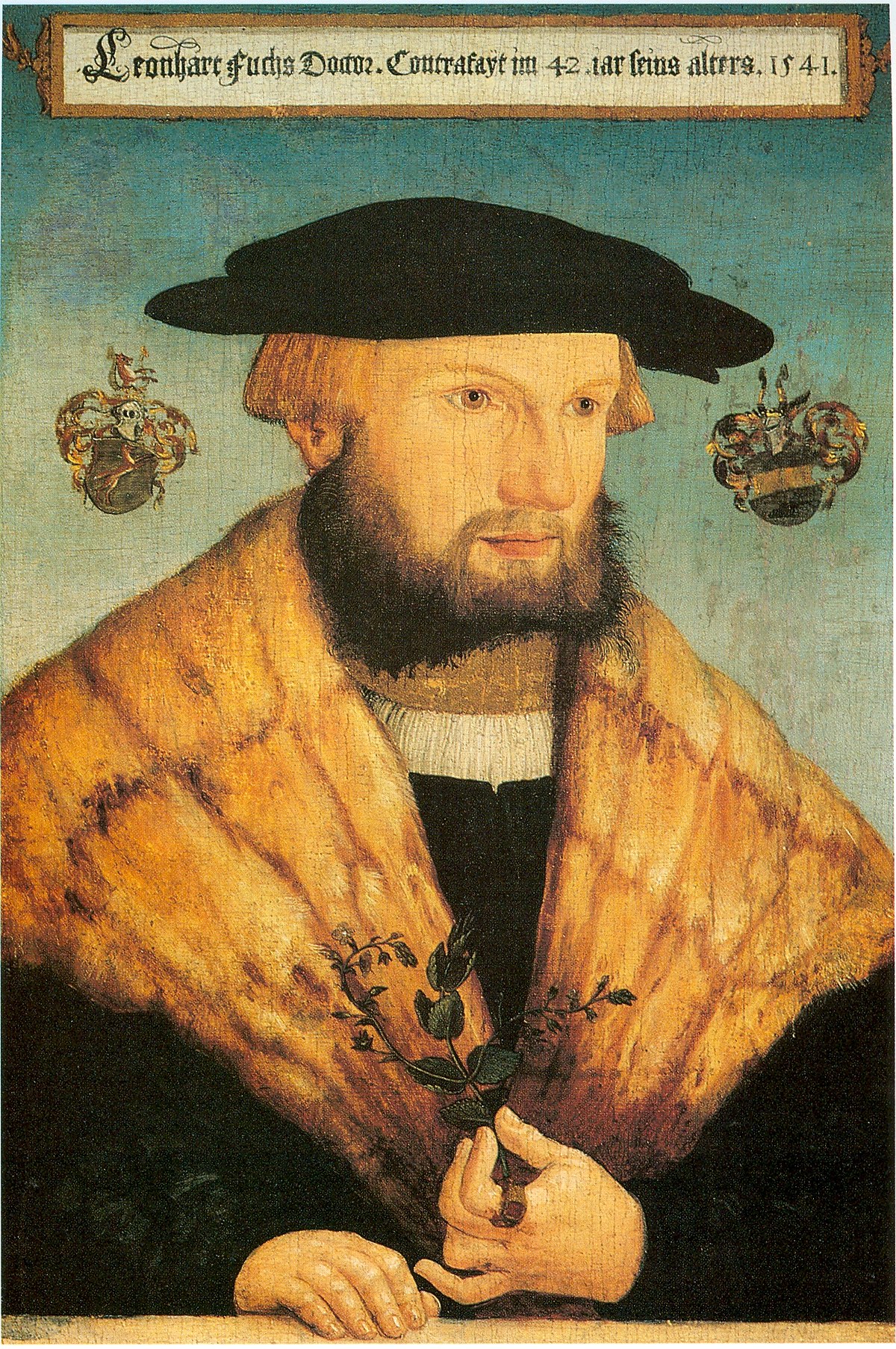
Leonhart Fuchs was a German humanist scientist, botanist, and physician.
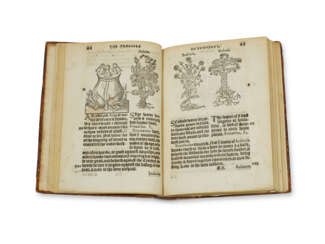
Fuchs received a humanistic education under Catholic guidance, but later became a Protestant. He studied medicine and became a professor in Tübingen. He was most interested in the medicinal properties of plants. Well acquainted with the Greek and Latin classics and an excellent observer, he gave precise descriptions, and his beautiful engravings of plants established the tradition of depicting plants with precise illustrations and in alphabetical order.
In 1542 Fuchs published his most important work, De Historia Stirpium Commentarii Insignes (Famous Commentaries on the History of Plants). The book was a great success, especially because of the magnificent woodcuts and the 487 plants, which were described for the first time in such a systematic form. De Historia Stirpium survived several editions and was translated into Dutch and German.